
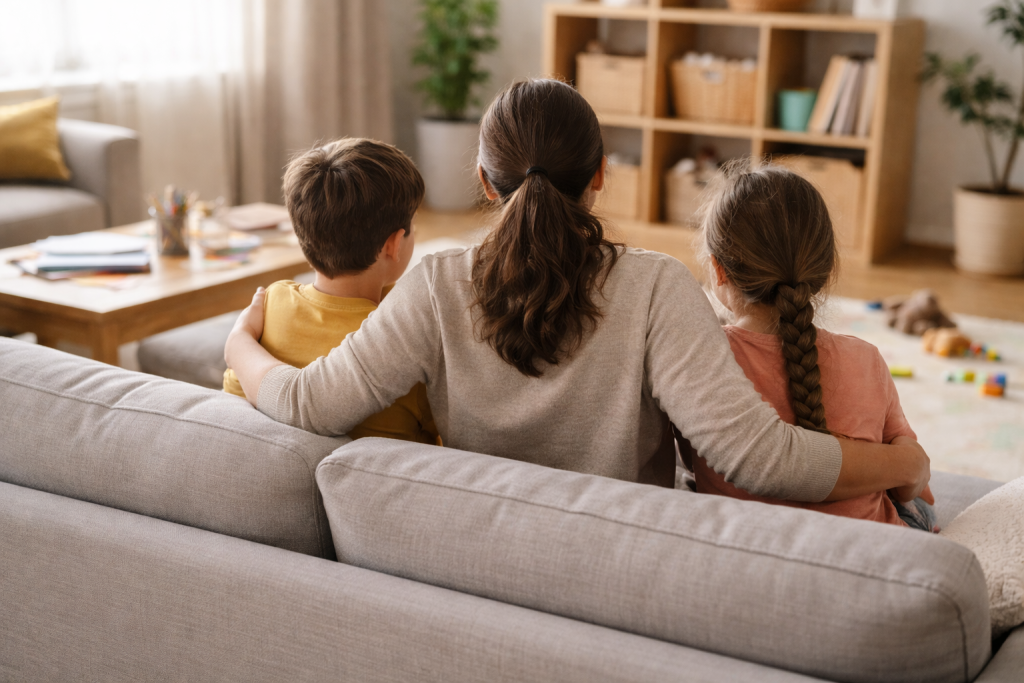
Sibling relationships can be some of the most loving and some of the most challenging connections children experience. One moment siblings are laughing together, the next they are arguing, competing, or accusing each other of unfair treatment. For parents, these conflicts can feel constant and exhausting.
While sibling conflict is normal, how adults respond plays a powerful role in shaping emotional regulation, communication skills, and long term relationship patterns. With the right strategies, parents can reduce escalation, support fairness, and help children learn skills they will use for life.
Why Sibling Conflict Feels So Intense
Siblings share more than a home. They share attention, resources, routines, and emotional space. When children are still learning how to regulate emotions, even small frustrations can feel big.
Sibling conflict often increases during times of stress or transition, such as school changes, new siblings, family loss, or developmental shifts. Kids may not have the language to say, “I feel overlooked” or “I need reassurance,” so those feelings come out as competition, jealousy, or aggression.
It’s also important to remember that children are wired to seek fairness. When they perceive imbalance, even unintentionally, their nervous systems may respond with defensiveness or anger.
Common Patterns Parents See
Sibling tension often shows up as:
- Frequent arguing or tattling
- Competition for attention or approval
- Physical aggression or verbal insults
- One child being labeled as “the difficult one”
- Complaints of favoritism
- Emotional outbursts after minor incidents
These patterns can escalate quickly if adults step in only as referees rather than coaches.
Practical Strategies Parents Can Use
1. Shift from referee to emotion coach
Instead of deciding who is right or wrong, focus first on emotions. Statements like, “I see you’re both upset,” help calm the nervous system before problem solving.
2. Avoid comparison
Even positive comparisons can fuel resentment. Saying, “Why can’t you be more like your sibling?” undermines emotional safety and increases rivalry. Focus on each child’s individual strengths and needs.
3. Name fairness clearly
Fair does not mean equal. It means each child gets what they need. Explaining this openly helps kids understand why different responses or supports may exist.
4. Teach conflict resolution skills
Guide children through steps such as:
- Naming the problem
- Listening to each other
- Brainstorming solutions
- Choosing a plan together
These skills take repetition and practice, not perfection.
5. Set clear boundaries around behavior
All feelings are allowed, but not all behaviors are. Calmly reinforce limits such as no hitting, name calling, or threats, while validating emotions.
6. Schedule individual connection time
One on one time helps reduce competition for attention. Even short, consistent moments can make a big difference in emotional security.
7. Resist labeling
Avoid calling one child “the easy one” or “the problem child.” Labels stick and can shape behavior over time.
When Sibling Conflict Signals Something Deeper
While conflict is normal, ongoing aggression, extreme jealousy, or emotional withdrawal may signal underlying stress or unmet needs. Changes at school, anxiety, grief, or developmental challenges can all increase sibling tension.
If conflict becomes overwhelming or unsafe, additional support from a family therapist or counselor may be helpful.
Building Long Term Skills, Not Just Peace
The goal of managing sibling conflict is not silence or constant harmony. It’s helping children learn how to handle big emotions, navigate disagreement, and repair relationships.
When parents respond with calm structure, empathy, and consistency, siblings learn that conflict does not threaten connection. Over time, these lessons help children build stronger emotional regulation, healthier communication, and deeper resilience.
Sibling relationships are complex, but with thoughtful guidance, they can become powerful spaces for growth, learning, and lifelong connection.
Sources:
- American Academy of Pediatrics. (2024). Sibling relationships and emotional development.
- Child Mind Institute. (2023). Managing sibling rivalry with emotional coaching.
- National Institute of Mental Health. (2024). Emotional regulation in children.
- Harvard Center on the Developing Child. (2023). Building skills for emotional regulation and relationships.