
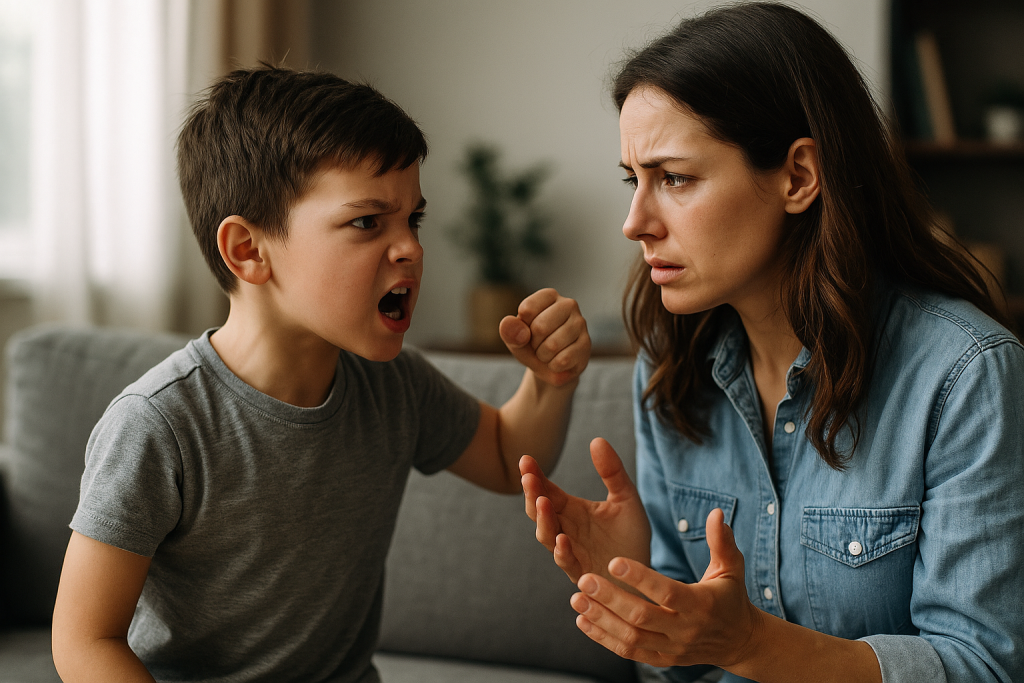
When a child lashes out, hits, yells, or refuses to listen, the first instinct might be to correct or discipline. While setting boundaries is essential, it is equally important to understand that aggressive behavior often stems from emotional distress rather than defiance. Aggressiveness can be a signal that a child’s mental health needs more attention and understanding.
Aggressiveness as a Communication of Emotion
Children often lack the language or self-awareness to express complex feelings like frustration, sadness, or fear. Instead of saying, “I feel overwhelmed,” a child might throw a toy or argue with a parent. These behaviors can serve as coping mechanisms when emotions exceed their ability to process them. Research from the American Psychological Association shows that aggressive behavior in children can often be traced to difficulties in emotional regulation or experiences of chronic stress.
Underlying Mental Health Factors
Aggressive behavior can sometimes be linked to conditions such as anxiety disorders, attention-deficit/hyperactivity disorder (ADHD), depression, or trauma-related stress. For example, children with anxiety may appear oppositional or irritable when they feel pressured or uncertain. Similarly, those experiencing depression may express hopelessness through irritability rather than sadness. According to the National Institute of Mental Health, understanding these underlying causes is critical to addressing behavior in a healthy and supportive way.
The Role of Environment and Relationships
Home, school, and community environments play a major role in how children develop emotional resilience. Exposure to conflict, inconsistent rules, or high stress can intensify aggression. Teachers and parents who model calm communication, consistent boundaries, and emotional validation can help children learn that expressing emotions safely is possible. Studies from the Child Mind Institute suggest that supportive adult relationships are one of the strongest protective factors against behavioral issues.
Helping Kids Build Emotional Literacy
One of the most effective ways to reduce aggressive behavior is by teaching children to recognize and name their emotions. Simple techniques, such as emotion charts, storytelling, or calm-down spaces, can give kids the tools to identify what they are feeling before it turns into anger. Educators can also integrate emotional check-ins into the classroom, creating a safe space for students to share concerns. Parents can reinforce these lessons by modeling healthy coping strategies, such as taking deep breaths, expressing frustration calmly, or seeking help when overwhelmed.
When to Seek Professional Support
If a child’s aggressiveness becomes persistent or disruptive, or if it escalates into harmful behavior toward others or themselves, it may be time to consult a school counselor or child psychologist. Professionals can help assess whether the behavior is related to an underlying condition and recommend evidence-based interventions. Early support can prevent long-term emotional difficulties and help children build healthier coping skills for the future.
Encouraging a Compassionate Approach
Aggressive behavior can be challenging, but with patience and understanding, it can also be an opportunity for growth. When adults view these moments not as disobedience but as distress signals, they can guide children toward emotional awareness and resilience. The goal is not to eliminate anger, but to teach children how to manage it constructively, transforming what seems like chaos into a pathway for healing and connection.
Sources:
- American Psychological Association. (2023). Understanding child behavior and emotional regulation.
- National Institute of Mental Health. (2024). Children and mental health: Recognizing and addressing behavioral signs.
- Child Mind Institute. (2023). Supporting emotional development in children.
- Centers for Disease Control and Prevention. (2024). Children’s mental health and behavior disorders.