
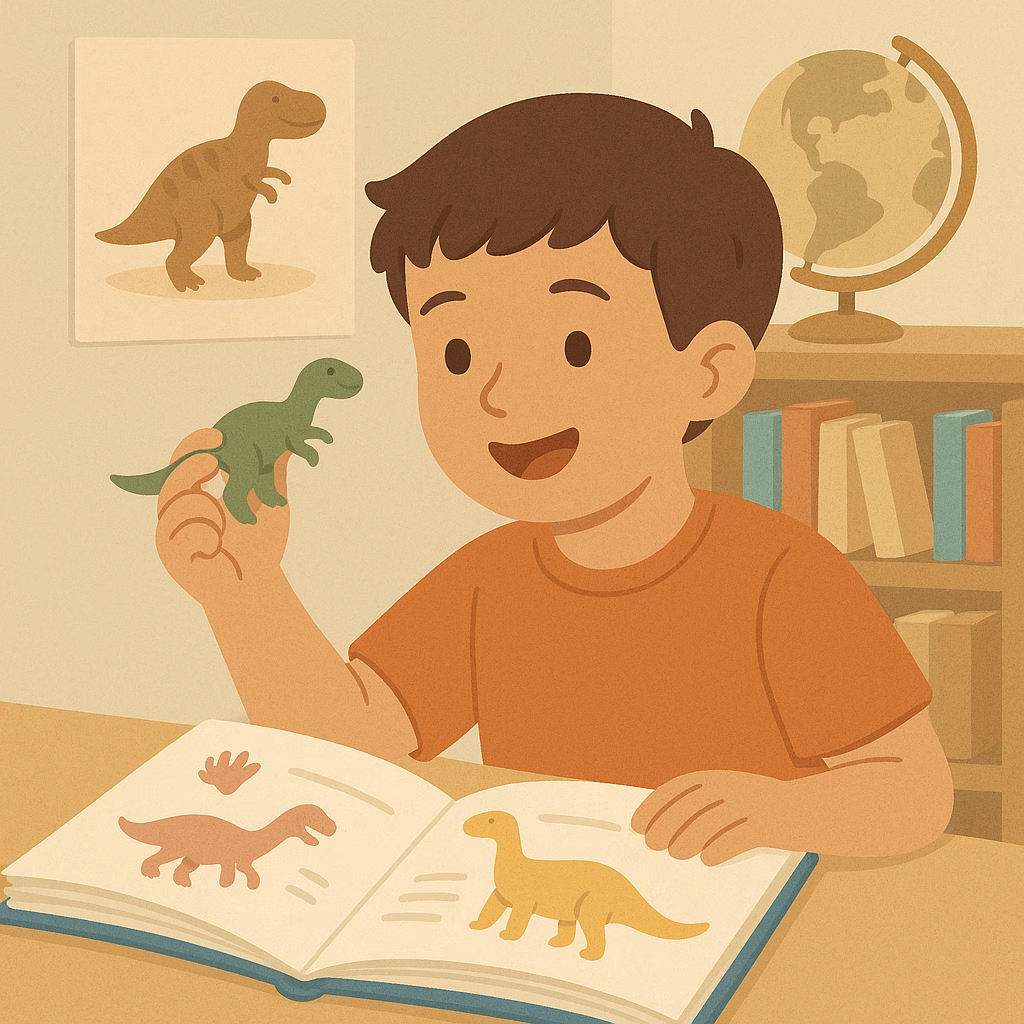
For many neurodivergent children, having a deep, focused passion—known as a “special interest”—is more than a hobby. It’s a source of joy, comfort, learning, and self-expression. Whether it’s dinosaurs, trains, coding, or classical music, these interests can offer mental health benefits and open doors to connection and confidence.
Unfortunately, some adults view these passions as “obsessive” or “too much.” But rather than trying to redirect or minimize them, we should be encouraging and embracing them.
What Are Special Interests?
Special interests are intense, sustained fascinations that often become a major focus of a child’s attention. While they’re most commonly associated with autism, they can also appear in children with ADHD, sensory differences, or other neurodivergent profiles.
These interests are often:
- Extremely detail-oriented
- Long-lasting or cyclical
- Emotionally meaningful to the child
- Sometimes misunderstood by peers or adults
Why They Matter for Mental Health
- Build Self-Esteem and Confidence
- Excelling in a subject gives children a sense of mastery and pride—especially if they struggle in other areas of life.
- Support Emotional Regulation
- Diving into a special interest can be soothing, helping children cope with anxiety, overstimulation, or uncertainty.
- Enhance Learning and Focus
- When children are passionate about something, they naturally develop research skills, memory retention, and critical thinking.
- Foster Social Connection
- Sharing a special interest with peers or mentors can help children bond and feel seen.
How Adults Can Support Special Interests
- Ask Questions and Show Curiosity
- Let kids teach you about their interest. It validates their passion and deepens your connection.
- Integrate Interests into Learning
- Teachers and parents can use special interests to build lesson plans or reading materials that make learning more engaging.
- Create Safe Spaces for Exploration
- Whether through clubs, online communities, or quiet time at home, give kids a place to explore freely without judgment.
- Respect Their Intensity
- What may seem “too much” to adults can be a vital anchor for a child’s sense of self and safety.
Encouraging Passion Is Empowering
Special interests aren’t distractions—they’re doorways. They show us who a child is, how they see the world, and what excites them. Encouraging these passions can build confidence, improve mental health, and help neurodivergent kids thrive.
Sources:
- Autism Research Institute – “Special Interests and Learning”
- Understood.org – “Why Special Interests Are Important”
- The National Autistic Society – “Encouraging Special Interests”