
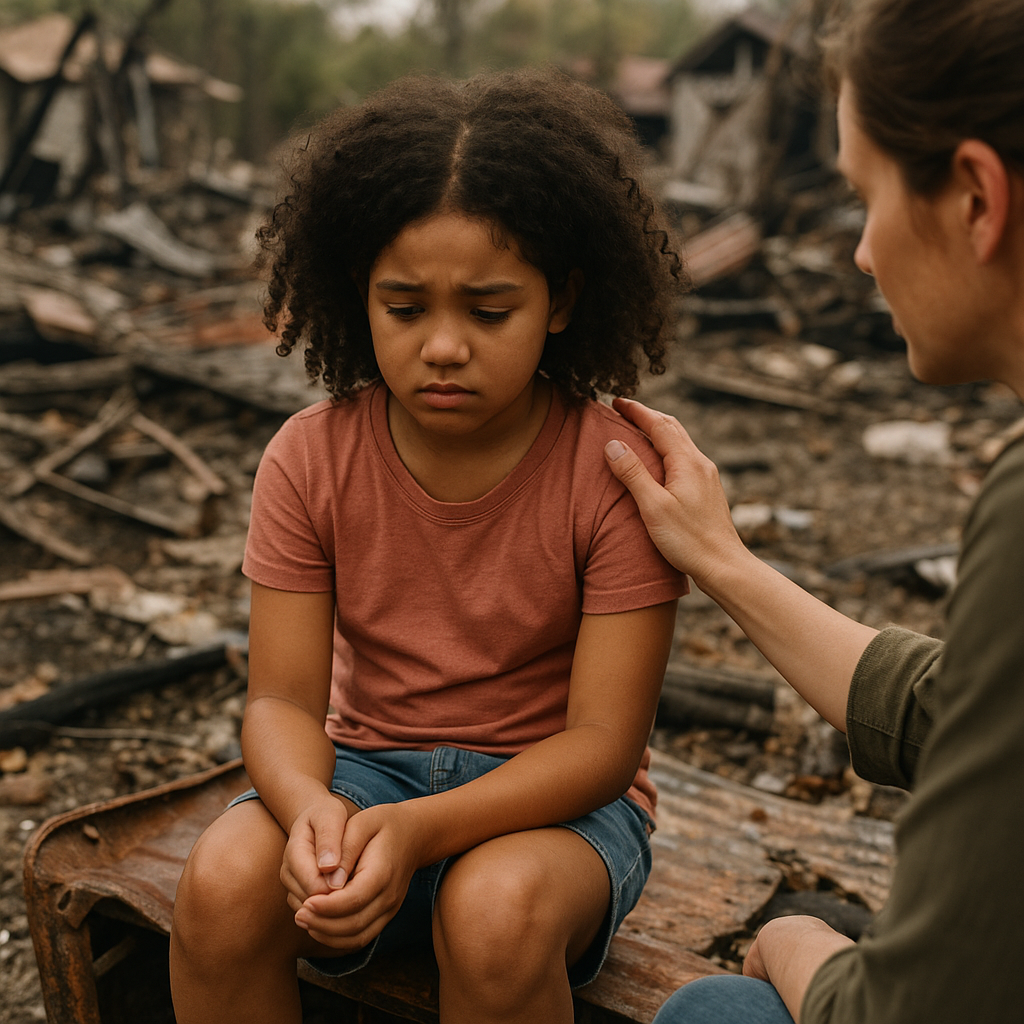

Natural disasters and community tragedies leave visible scars on places, but they also leave invisible scars on people—especially children. Two years after the Lahaina wildfires in Maui, many children are still struggling with post-traumatic stress, anxiety, and depression. Sadly, their experience is not unique. Across the globe, kids exposed to disasters face emotional challenges that can linger long after the event has faded from the headlines.
Supporting children through recovery requires more than rebuilding homes and schools—it means helping them rebuild their sense of safety, stability, and trust.
How Disasters Affect Children Differently
While adults may understand disasters in terms of logistics—insurance, repairs, rebuilding—children process trauma in deeply personal ways. Common reactions include:
- PTSD symptoms: nightmares, flashbacks, avoidance of reminders
- Anxiety: fear of recurrence, heightened startle responses
- Depression: withdrawal, lack of interest in play, persistent sadness
- Behavior changes: irritability, trouble concentrating, regression to earlier developmental behaviors (like bedwetting or clinginess)
Children often struggle to verbalize their emotions. Instead, their distress shows up in behavior, school performance, or physical symptoms like headaches and stomachaches.
Why Long-Term Impacts Matter
The emotional toll of disasters doesn’t disappear when life seems to return to normal. Without proper support, children may carry unaddressed trauma into adolescence and adulthood. This can affect academic achievement, social relationships, and overall mental health. Recognizing and addressing these needs early is crucial for resilience.
Supporting Kids at Home
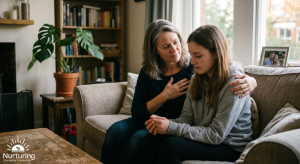
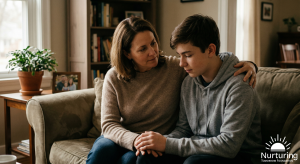
Parents and caregivers are central to helping children recover after disasters. Some strategies include:
1. Restore Routines
Daily routines provide comfort and predictability, which can anchor children in times of uncertainty. Even simple rituals like family dinners or bedtime routines help.
2. Encourage Expression
Children may not always want to talk, but they can express themselves through play, art, writing, or storytelling. Giving them outlets helps process complex emotions.
3. Listen and Reassure
Let children share their fears without rushing to dismiss them. Phrases like, “That sounds scary—thank you for telling me” validate their feelings and strengthen trust.
4. Model Calmness and Coping
Children watch how adults handle stress. When caregivers practice self-care and demonstrate calm coping, kids learn resilience by example.
The Role of Schools and Communities
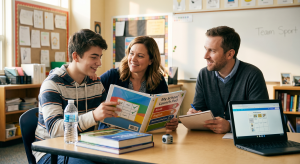
Schools and community organizations play a vital role in collective recovery. Teachers and school counselors can help by:
- Offering structured opportunities for kids to share feelings
- Integrating trauma-informed practices into classrooms
- Providing flexibility for children whose learning is disrupted
- Connecting families with local resources and counseling
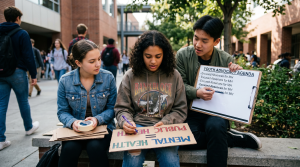
Community-based programs, such as peer support groups, sports, and cultural activities, also provide healing through connection and shared experiences.
The Importance of Culturally Sensitive Care
In places like Lahaina, where cultural identity and community traditions run deep, healing must honor those connections. Storytelling, rituals, and cultural practices can help children and families process grief in ways that feel authentic and respectful.
Conclusion: Healing Together
Disasters may shatter the world children once knew, but they do not have to define their futures. With patient support from families, schools, and communities, children can recover and grow stronger. The path to healing is not about forgetting what happened—it’s about learning that even after the world shakes, safety, hope, and resilience can return.
Sources:
- AP News. (2025). Maui Students Still Struggling with Mental Health Two Years After Wildfires
- American Academy of Pediatrics. (2023). Helping Children After Disasters
- National Child Traumatic Stress Network. (n.d.). Disaster and Trauma Resources