

Insecurity is a natural part of growing up. But when left unaddressed, it can follow children into adulthood, shaping how they view themselves and interact with the world. Helping young people work through insecurities during their school years isn’t just beneficial in the moment—it lays the foundation for confident, emotionally resilient adults.
Understanding Insecurity in Childhood
Insecurities in school-aged children often revolve around:
- Appearance
- Academic performance
- Social standing
- Family dynamics
- Identity and belonging
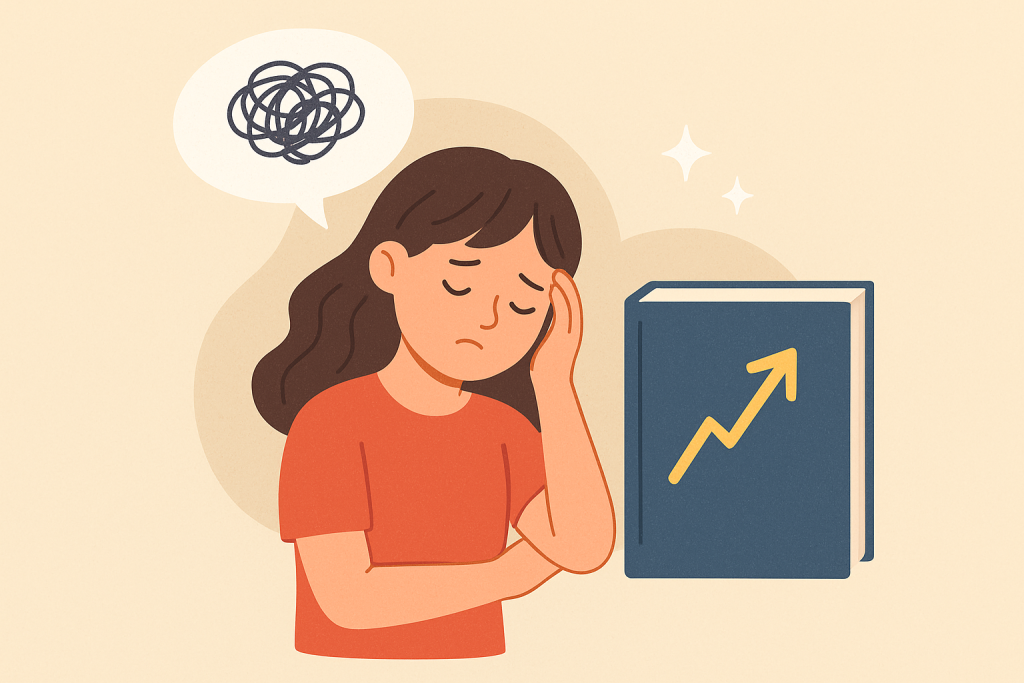
These insecurities, though sometimes dismissed as “just a phase,” can deeply affect self-worth. When children internalize the message that they aren’t good enough, smart enough, or “normal” enough, it can undermine their ability to grow into confident adults.
Why Early Emotional Work Matters
Children who are encouraged to explore and express their emotions build stronger emotional intelligence. When caregivers and educators help them name, process, and reframe self-doubt, kids learn:
- That feelings are valid
- That struggles are normal
- That self-worth isn’t tied to perfection
These lessons create psychological safety, which allows children to take healthy risks, speak up, and recover from mistakes—skills essential for adult confidence.
The Role of Schools in Confidence-Building
Schools aren’t just academic spaces—they’re social laboratories. They shape identity, relationships, and personal narratives. When schools foster emotional development alongside academics, children benefit long-term.
Ways schools can help include:
- Social and Emotional Learning (SEL) programs: teaching empathy, emotion regulation, and problem-solving
- Peer support systems: like buddy programs or student-led groups
- Encouragement over evaluation: shifting focus from grades to growth
- Representation in curriculum: helping students see themselves reflected in what they learn
Tools That Help Kids Navigate Insecurity
To support kids in managing insecurity, adults can use and encourage:
1. Growth Mindset Language
Teach kids that abilities aren’t fixed. Replace “I’m bad at this” with “I haven’t mastered this yet.” This shift reduces shame and builds resilience.
2. Validation and Empathy
Acknowledging a child’s fears without judgment helps them feel seen. Avoid dismissive phrases like “Don’t worry about it” or “You’ll grow out of it.” Instead, say “That sounds really tough. Want to talk about it?”
3. Opportunities for Mastery
Confidence grows through experience. Encourage kids to pursue interests where they can succeed and feel competent—sports, music, coding, art, or volunteering.
4. Positive Role Models
Exposure to diverse, confident adults (including those who openly discuss overcoming self-doubt) normalizes the emotional journey and provides inspiration.
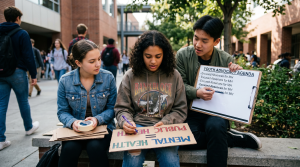
5. Open Conversations About Mental Health
Talking about emotions and mental health destigmatizes struggle. It teaches kids that seeking help is a strength, not a weakness.
The Long-Term Impact: More Confident Adults
Children who learn to manage insecurity early are more likely to:
- Take initiative and leadership roles
- Build healthy relationships
- Stand up for themselves and others
- Pursue goals despite setbacks
They carry an inner voice that says, “I can figure this out,” rather than “I’m not good enough.” This mindset shapes everything from career choices to parenting styles.
Supporting Caregivers and Educators
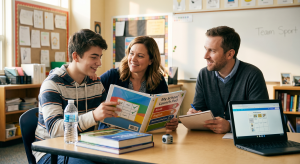
Parents, guardians, and teachers are on the front lines of emotional development. Equipping them with tools to support kids’ mental health helps ensure these messages take root early.
Professional development in SEL, family engagement strategies, and school-based mental health programs all contribute to a more supportive environment.
Conclusion: Confidence Starts Early
Self-belief doesn’t appear overnight. It’s cultivated through years of support, self-discovery, and emotional work. By helping children navigate their insecurities with compassion and skill, we’re not just improving childhood—we’re shaping the next generation of confident, capable adults.
Sources:
- CASEL. (n.d.). Social and Emotional Learning Framework
- Harvard Graduate School of Education. (2020). The Power of Early Emotional Support
- APA. (2023). Building Resilience in Children