
Introduction
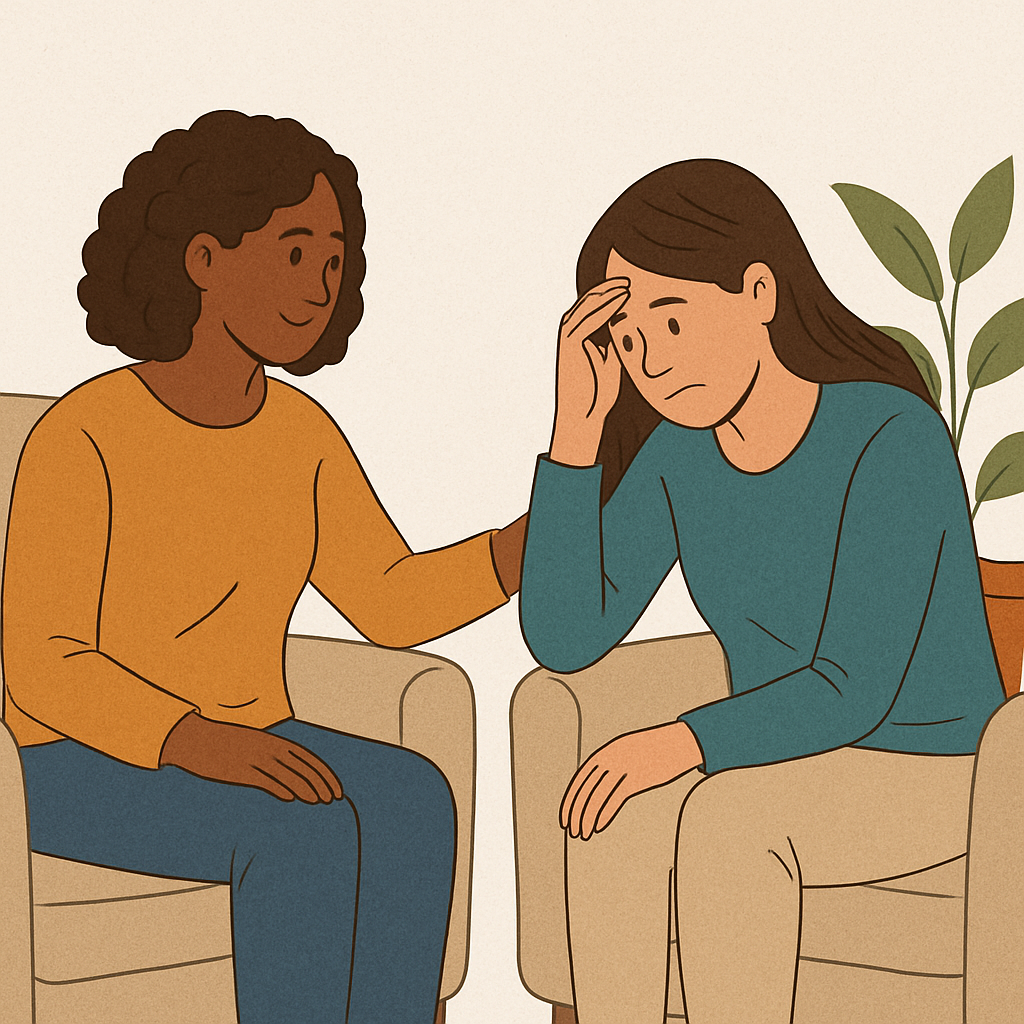
Mental health support can take many forms, from professional therapy to self-help strategies. One approach that is gaining recognition for its effectiveness and accessibility is peer counseling. At its core, peer counseling involves individuals with shared experiences providing emotional support, understanding, and encouragement to one another. It is not meant to replace therapy, but rather to complement it by offering a safe space where people feel heard by someone who truly understands what they are going through.
The Core of Peer Counseling
Peer counseling is built on the idea that those who have faced mental health challenges, or other life struggles, can offer unique support to others navigating similar experiences. A peer counselor is not a licensed therapist, but rather someone who has received training in active listening, empathy, and support strategies. The relationship is less hierarchical than traditional therapy and instead emphasizes mutual respect and relatability.
Where professional therapy often focuses on diagnosis and treatment, peer counseling emphasizes connection and shared humanity. It provides a bridge for individuals who may not yet feel ready to seek formal care or who simply want the added support of someone who “gets it.”
Benefits of Peer Counseling
One of the strongest benefits of peer counseling is its ability to reduce feelings of isolation. When individuals realize they are not alone in their struggles, they often feel empowered to open up and begin healing. Other benefits include:
- Building trust and relatability – Sharing experiences fosters a bond that can be harder to achieve in traditional therapy settings
- Encouraging resilience – Hearing how someone else has navigated challenges can inspire hope and practical coping strategies
- Creating belonging – Being part of a peer network reinforces the idea that support is available and community exists
- Reducing stigma – Normalizing conversations about mental health helps break down barriers that keep people from seeking help
Challenges and Limitations
While peer counseling has many strengths, it is important to recognize its limitations. Peer counselors are not trained to diagnose or treat mental health conditions. In situations involving severe mental health crises, suicidal thoughts, or complex trauma, professional intervention is essential. Peer counselors must also maintain clear boundaries to avoid burnout and to ensure the relationship remains supportive rather than burdensome.
Real-World Examples
Peer counseling programs exist in many forms. In schools, trained students support classmates through stress, bullying, or academic pressure. In workplaces, peer programs help employees manage burnout and create healthier work cultures. Community organizations often use peer counseling to connect individuals in recovery from addiction or those managing long-term conditions like anxiety or depression. Each of these programs highlights the same truth: shared understanding has power.
Conclusion
Peer counseling is not a replacement for professional care, but it plays a vital role in the landscape of mental health support. It reminds us that healing often begins with connection, empathy, and the courage to share our stories. By creating spaces where people can support one another, communities can become stronger and more resilient in facing life’s challenges together.
Sources
- Mental Health America. “Peer Support Research and Reports.”
- National Alliance on Mental Illness (NAMI). “Peer-to-Peer Support.”
- Substance Abuse and Mental Health Services Administration (SAMHSA). “Peer Support Workers for Those in Recovery.”