
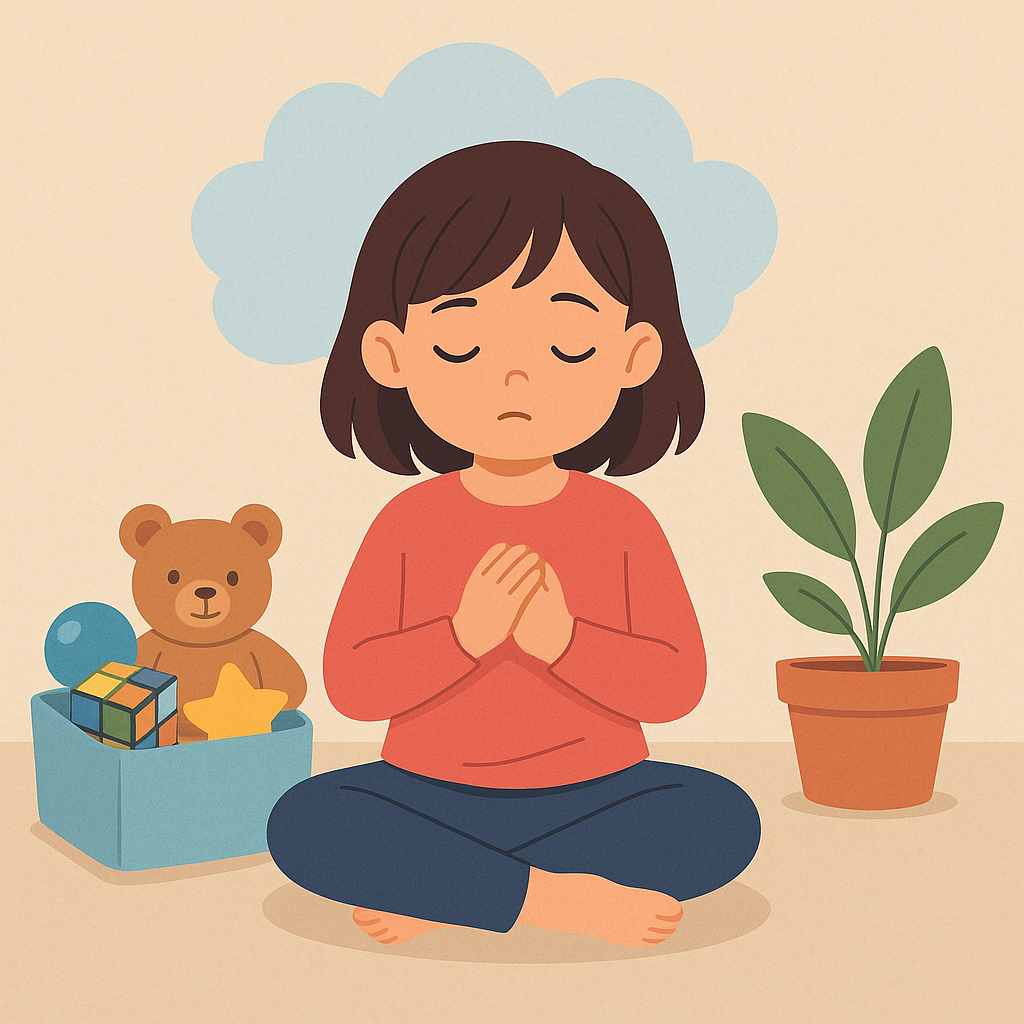

Anxiety in children is more common than many people realize. While it’s normal for kids to feel nervous or worried at times, persistent or overwhelming anxiety can disrupt learning, relationships, and emotional development. Teaching children how to self-regulate in moments of stress is not only a compassionate response to their distress, but it also builds lifelong tools for emotional resilience.
What Anxiety Feels Like to Kids
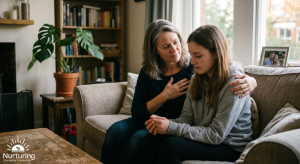
Children often struggle to articulate what anxiety feels like. It might show up as a stomachache before school, avoidance of certain activities, irritability, or even defiance. For younger kids especially, anxiety often expresses itself through behavior rather than words. What looks like misbehavior might actually be a child’s attempt to manage intense internal discomfort.
Recognizing this is key to helping kids feel safe and understood, rather than ashamed or punished.
Why Early Self-Regulation Matters
Self-regulation is the ability to manage one’s emotions, behaviors, and thoughts in response to stress. When kids learn these skills early, they become better equipped to handle challenges, reduce their overall anxiety, and improve focus and decision-making.
These skills don’t always come naturally. Like reading or riding a bike, they need to be taught, practiced, and reinforced—especially in moments when anxiety hijacks a child’s sense of control.
Practical, Age-Appropriate Self-Regulation Techniques
Here are several strategies that caregivers, educators, and support staff can teach and model for kids experiencing anxiety:
1. Breathing Exercises
Simple breathing techniques can have an immediate calming effect on the nervous system. Teaching children to “blow out the candles” (inhale through the nose, exhale slowly through the mouth) gives them a visual cue to slow down their breathing and regain a sense of control.
2. Visualization or Grounding
Anxiety often pulls the brain into the future—imagining worst-case scenarios. Grounding techniques bring kids back to the present. Encourage them to name:
- 5 things they can see,
- 4 they can touch,
- 3 they can hear,
- 2 they can smell,
- 1 they can taste.
This technique can be adapted based on age and context.
3. Movement and Physical Release
Physical activity helps release built-up energy caused by anxiety. Whether it’s jumping jacks, squeezing a stress ball, or dancing to a favorite song, movement provides a healthy outlet for emotional release.
4. Creating a “Calm Down Kit”
A calm down kit is a collection of sensory tools that help soothe anxiety. It might include:
- A soft toy or blanket
- Fidget tools
- Headphones for calming music
- Pictures of loved ones
- Positive affirmations
Letting children personalize their kits can increase their sense of ownership and effectiveness.
5. Naming and Validating Feelings
Helping kids name what they feel (“I’m scared,” “I’m worried,” “My tummy hurts when I think about the test”) gives them language to express their internal experience. Validating their emotions without trying to “fix” them immediately fosters trust and self-awareness.
The Role of Adults in Modeling Regulation
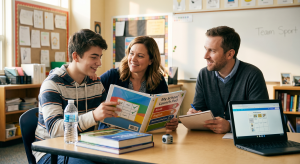
Kids learn self-regulation not just by being told what to do, but by watching the adults around them. When adults model calm responses to stress, narrate their coping strategies, and repair moments of disconnection, children learn by example.
For instance, an adult might say:
“I feel a little overwhelmed, so I’m going to take a few deep breaths before we keep going.”
That small moment shows a child how to acknowledge and respond to a challenging feeling.
Encouraging Self-Awareness and Resilience
Teaching self-regulation is not about eliminating anxiety—it’s about helping children understand and work with it. Over time, these strategies help kids develop:
- Greater self-awareness
- Confidence in their ability to cope
- More successful peer relationships
- A foundation for long-term mental health
Supportive adults can reinforce these skills through regular check-ins, emotional literacy games, and celebrating progress.
Conclusion: Building Lifelong Tools
Children who learn to self-regulate aren’t just managing anxiety in the moment—they’re building a toolkit they can carry into adolescence and adulthood. These tools empower them to face challenges, bounce back from stress, and advocate for their own mental well-being. With the right support, kids can not only calm the storm—they can learn to navigate through it with courage and clarity.
Sources:
- American Academy of Pediatrics. (2021). Supporting Emotional Development in Young Children
- Child Mind Institute. (n.d.). Helping Children Manage Anxiety
- CASEL. (n.d.). Social and Emotional Learning (SEL)