

Anger is a powerful emotion—and for children, it can often feel overwhelming and unmanageable. Teaching kids how to recognize, express, and cope with anger in healthy ways is one of the most valuable life skills caregivers can impart. Rather than shaming anger, it’s important to approach it as a natural response that, when understood and channeled appropriately, can lead to personal growth and stronger relationships.
Understanding Childhood Anger
Children experience anger for many of the same reasons adults do: feeling misunderstood, powerless, frustrated, or hurt. But what sets them apart is their still-developing brains and limited emotional vocabulary. This makes it harder for them to name their feelings or predict the consequences of their reactions. When anger goes unaddressed, it can manifest as tantrums, defiance, aggression, or withdrawal.
Recognizing anger as a signal—not a behavior in itself—is the first step toward helping children manage it effectively.
Early Signs and Triggers
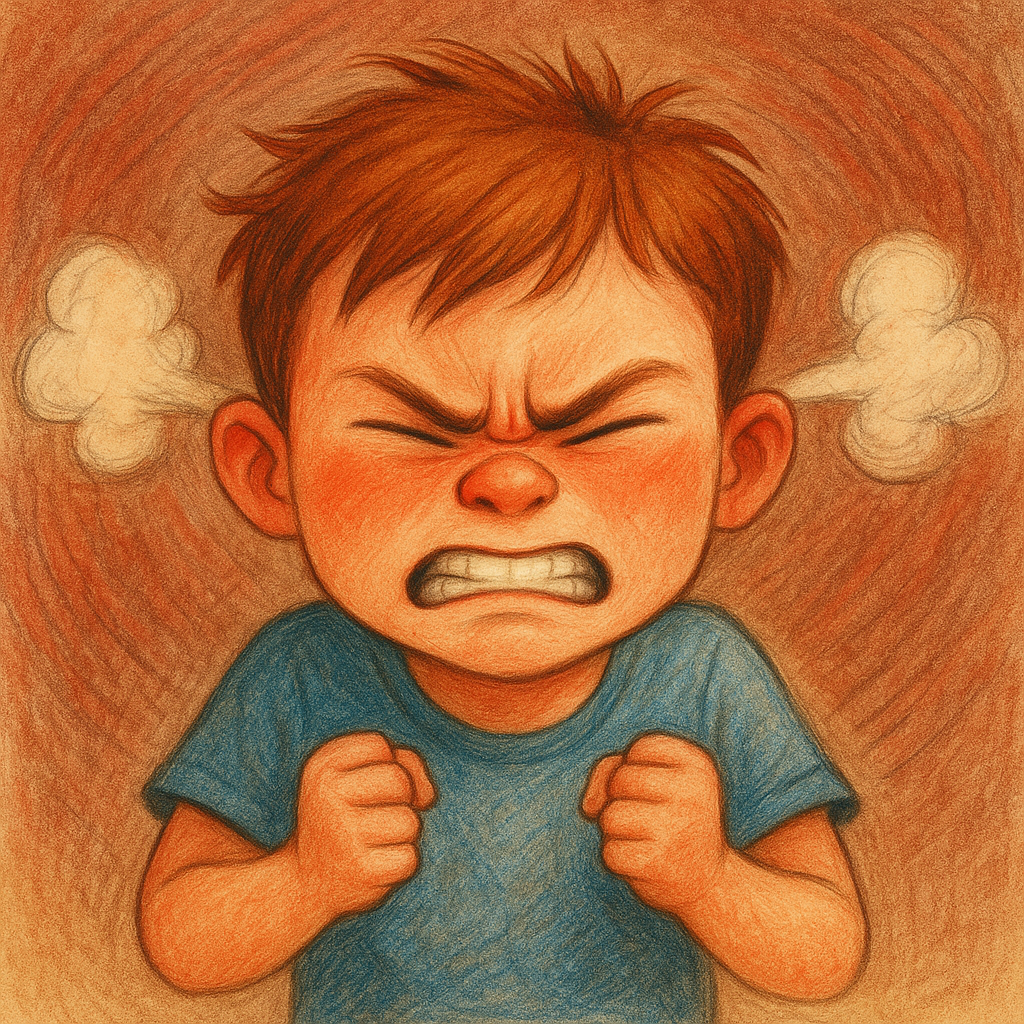
Each child has unique cues and triggers. For some, anger may stem from overstimulation, unmet needs, or social difficulties. Signs that a child is nearing their tipping point can include:
- Clenched fists or jaw
- Raised voice or sudden silence
- Quickened breathing
- Emotional outbursts over minor frustrations
Teaching children (and helping adults identify) these signs can allow for proactive intervention before anger escalates.
Healthy Coping Strategies for Kids
- Name the Emotion: Encourage children to say “I’m angry” rather than act out. Giving a name to their emotion helps build self-awareness.
- Practice Deep Breathing: Slow, intentional breathing calms the body’s fight-or-flight response. Make it fun with visuals like pretending to blow up a balloon or smelling a flower.
- Use a Safe Space: Some children benefit from having a “calm corner” with comforting objects like books, sensory toys, or calming visuals.
- Encourage Expression Through Art: Drawing or journaling provides an outlet for emotions that may be hard to verbalize.
- Problem-Solving Together: Once the child is calm, work with them to reflect on what caused the anger and brainstorm better responses.
Supporting Adults: What You Can Do
- Model Healthy Anger Expression: Children mimic adult behavior. If they see caregivers respond to frustration with calmness and problem-solving, they’re more likely to do the same.
- Validate, Don’t Dismiss: Saying “You shouldn’t be angry” invalidates the child’s feelings. Instead, try, “I see you’re really frustrated. Let’s figure out why.”
- Keep Boundaries Firm and Fair: While the feeling of anger is okay, hurting others or damaging property is not. Clear, consistent consequences can help children learn accountability without shame.
Final Thoughts
Teaching children to manage their anger doesn’t happen overnight. It’s an ongoing process that requires patience, empathy, and consistency. But the reward is significant: emotionally resilient children who can advocate for themselves, navigate conflict, and grow into emotionally intelligent adults.
Sources:
- American Psychological Association: https://www.apa.org
- Child Mind Institute: https://childmind.org
- National Association of School Psychologists: https://www.nasponline.org