
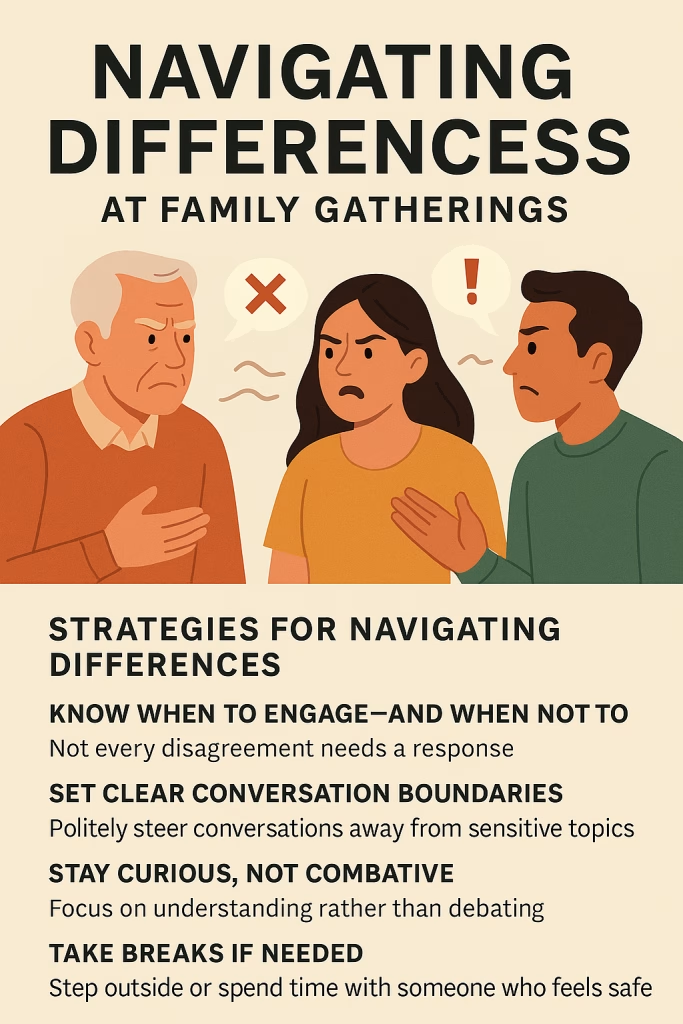
Family gatherings can be a source of warmth and connection—but when personal or political beliefs clash, they can also become emotionally charged. Whether it’s opposing views on current events, values, or lifestyle choices, these differences can stir conflict, frustration, or even deep hurt. Learning how to navigate them with grace can help protect your mental health and preserve relationships where possible.
Why These Conversations Hit So Hard
Disagreements with strangers rarely carry the emotional weight that clashes with family do. With family, there’s:
- A shared history that makes conversations more personal
- Expectations of agreement that heighten tension when it’s missing
- Pressure to keep peace even when you feel hurt or dismissed
When love and loyalty collide with deeply held beliefs, the emotional fallout can be intense.
Strategies for Navigating Differences
- Know When to Engage—and When Not To
- Not every disagreement needs a response. If a conversation will damage your mental health or safety, it’s okay to bow out.
- Set Clear Conversation Boundaries
- Politely but firmly steer conversations away from sensitive topics. Try, “Let’s agree to disagree and enjoy our time together.”
- Stay Curious, Not Combative
- When you do engage, ask open-ended questions. Focus on understanding their perspective, not winning a debate.
- Use “I” Statements to Reduce Tension
- Share your views calmly and personally: “I feel strongly about this because…” rather than “You’re wrong because…”
- Take Breaks if Needed
- Step outside, change the subject, or spend time with someone who feels safe. Protecting your energy isn’t rude—it’s essential.
When Conversations Turn Harmful
If a relative’s beliefs cross into harmful territory (e.g., discriminatory, violent, or abusive language), you are not obligated to stay silent for the sake of “family harmony.” In those cases, it’s valid to:
- Set a firm boundary
- Remove yourself from the space
- Seek support or limit future contact
Respect does not mean tolerating harm.
Preserving Peace Without Compromising Yourself
It’s possible to maintain love and connection while holding space for your values—especially if both parties show mutual respect. But sometimes peace means accepting emotional distance. You can care about someone and still choose to protect your peace.
Sources:
- Psychology Today – “Family Conflict and Political Divides”
- Mental Health America – “Navigating Difficult Conversations”
- The Gottman Institute – “Respectful Communication During Conflict”