

Friendships are a central part of childhood and adolescence. For kids and teens, peers are not just companions, they are mirrors for identity, belonging, and self worth. When a friendship changes, fades, or ends, the emotional impact can be profound. Yet social loss is often minimized, even though for many young people it can feel as painful as losing a family member.
Understanding why friendship loss hurts so deeply helps adults respond with empathy rather than dismissal, and gives kids the support they need to heal and grow.
Why Friendship Loss Feels So Intense
Children and teens are still developing their sense of self. Friendships help answer important internal questions like “Who am I?”, “Where do I belong?”, and “Am I accepted?”. When a friendship ends, those questions can suddenly feel unsettled.
Social rejection or exclusion activates the same areas of the brain associated with physical pain. Research published by the American Psychological Association shows that the brain does not distinguish strongly between physical pain and social pain, which explains why kids may experience intense distress, rumination, or withdrawal after social loss.
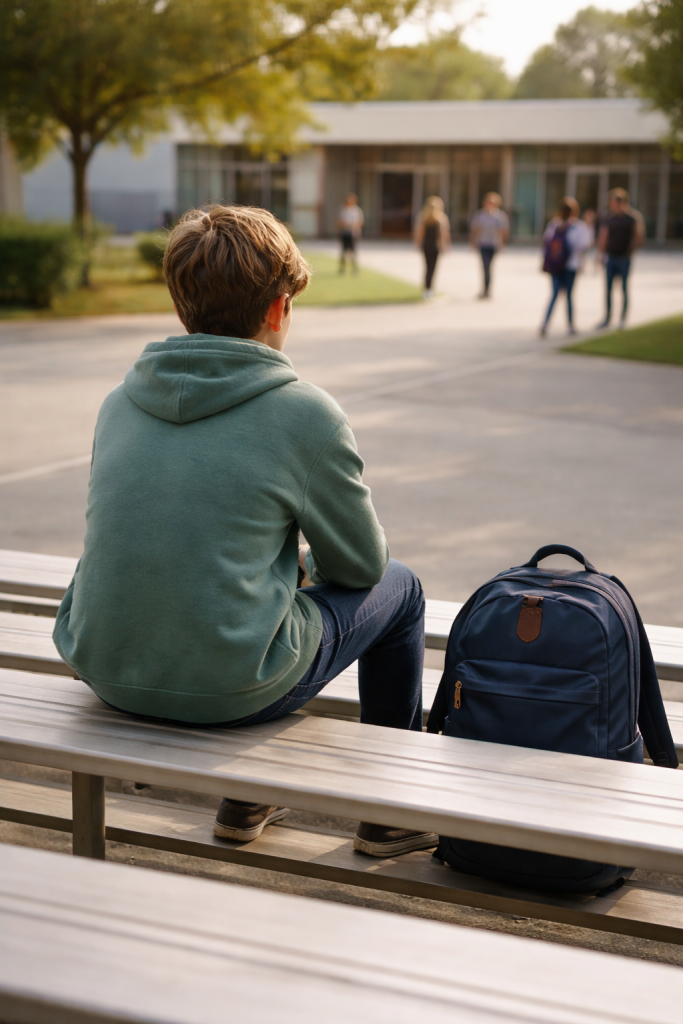
For teens especially, peer relationships often feel more immediate than family relationships. Losing a friend can feel like losing a part of daily life, identity, and safety all at once.
How Social Loss Shows Up in Kids and Teens
Children do not always say, “I’m grieving a friendship.” Instead, social loss may appear through behavior or emotional changes, such as:
- Withdrawal from activities or friends
- Increased irritability or mood swings
- Anxiety about school or social settings
- Negative self talk or lowered confidence
- Anger, sarcasm, or acting out
- Physical complaints like headaches or stomachaches
Some kids may minimize what happened or insist they do not care, even while their behavior suggests otherwise. Others may replay events repeatedly, trying to understand what went wrong.
Why Adults Often Minimize Friendship Loss
Adults may unintentionally downplay social loss with statements like, “You’ll make new friends,” or “It wasn’t a real friendship anyway.” While meant to comfort, these responses can make kids feel misunderstood or alone.
For children, the pain is real, regardless of how long the friendship lasted or how it ended. Validation does not mean agreeing with every interpretation, it means acknowledging the emotional experience.
How Parents and Educators Can Offer Support
Validate the experience
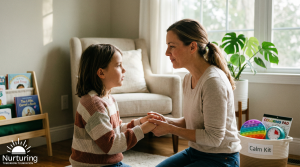
Simple statements like, “That sounds really painful,” or “It makes sense that you’re hurt,” help kids feel seen and safe.
Avoid rushing solutions
Problem solving too quickly can feel dismissive. Let kids share their story before offering guidance.
Help them name the loss
Using language like “friendship grief” or “social loss” helps kids understand that what they’re feeling is real and normal.
Separate self worth from rejection
Gently remind kids that losing a friendship does not define their value. Social dynamics are complex and often change for reasons beyond one person’s control.
Encourage connection without pressure
Invite opportunities for new connections, but avoid forcing social interactions before a child feels ready.
Teaching Resilience After Social Loss
Friendship loss, while painful, can also be a moment of growth when supported properly. Kids learn important skills when adults help them reflect rather than shut down.
Questions like:
- “What did this friendship teach you about what you value?”
- “What kind of friend do you want to be moving forward?”
These conversations help kids rebuild confidence and clarity.
When Extra Support May Help
If social loss leads to ongoing anxiety, depression, school refusal, or persistent withdrawal, additional support may be helpful. School counselors, therapists, or trusted mentors can provide space for processing emotions and rebuilding social confidence.
Helping Kids Feel Less Alone
Friendship loss can feel isolating, but it does not have to be endured alone. When adults treat social pain with the same care as other forms of grief, kids learn that their emotions matter and that healing is possible.
Supporting children through social loss teaches them resilience, empathy, and self respect. With understanding and presence, adults can help kids move through rejection without losing their sense of worth or belonging.
Sources:
- American Psychological Association. (2023). The psychology of social pain and rejection.
- National Institute of Mental Health. (2024). Adolescent development and peer relationships.
- Child Mind Institute. (2023). Helping kids cope with friendship problems.
- Journal of Youth and Adolescence. (2022). Peer rejection and emotional development.