

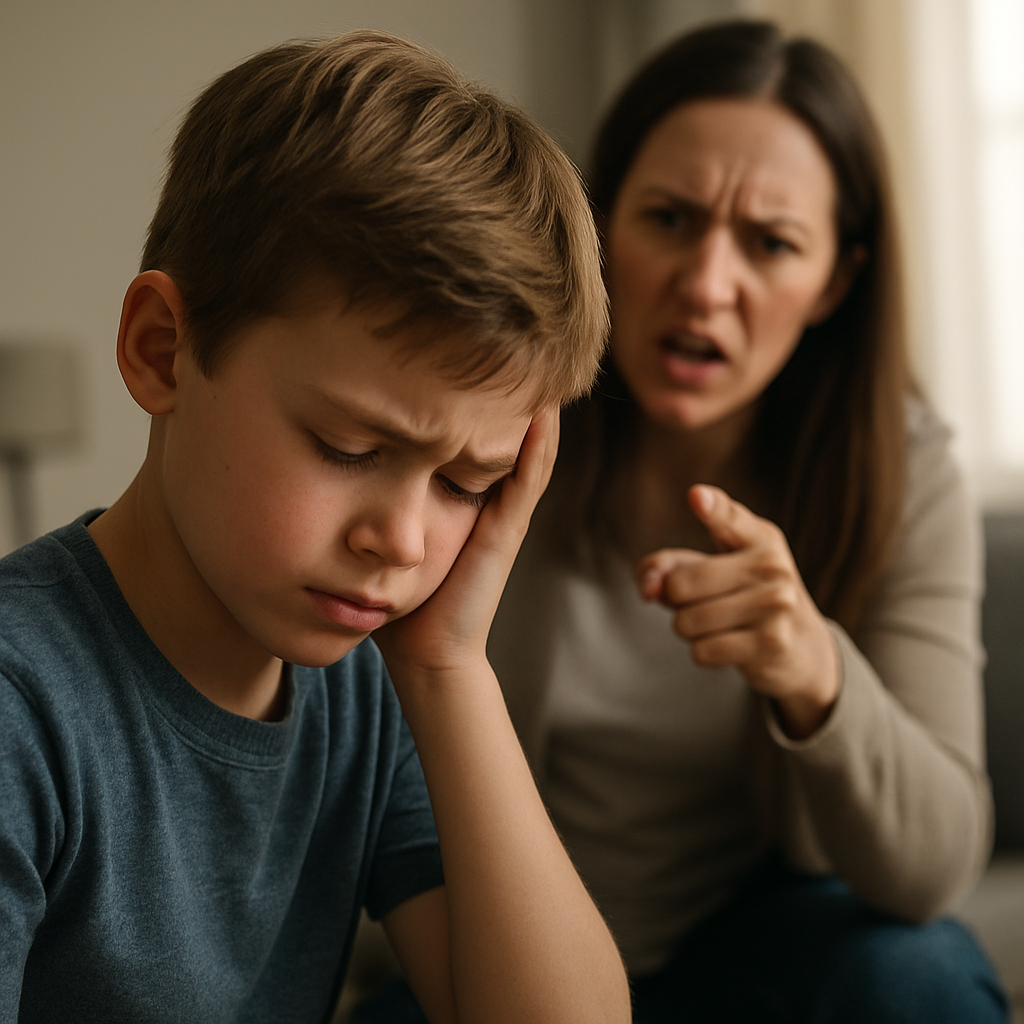

When we think of child abuse, our minds often go to physical harm. But recent research shows that verbal abuse—harsh criticism, humiliation, yelling, or constant belittling—can leave wounds just as deep, if not deeper. Children who grow up with persistent verbal abuse are more likely to face long-term mental health challenges such as depression, anxiety, and low self-esteem.
Words matter. And when they are used carelessly or cruelly, they can shape how children see themselves and the world.
What Verbal Abuse Looks Like
Verbal abuse isn’t always obvious. It can hide in everyday interactions, especially in families under stress. Some common examples include:
- Frequent yelling or screaming at a child
- Belittling their abilities (“You’ll never be good at this”)
- Humiliating them in front of others
- Using threats or intimidation
- Constant criticism without encouragement
- Withholding affection or approval through silence
While every parent may lose their temper occasionally, verbal abuse is marked by patterns—repeated behaviors that make a child feel unsafe, unloved, or unworthy.
Why It’s So Harmful
The impact of verbal abuse goes far beyond hurt feelings. Brain imaging studies show that chronic verbal aggression can alter the development of key brain regions linked to emotion regulation and self-worth. Over time, this can lead to:
- Heightened stress response and anxiety
- Increased risk of depression or suicidal thoughts
- Difficulty forming healthy relationships
- Internalized beliefs of worthlessness or shame
Unlike physical wounds, these scars are invisible, making them easy to overlook or dismiss.
Why Parents Fall Into It
Most parents who engage in verbal abuse don’t set out to harm their children. Stress, financial strain, unresolved trauma, or lack of healthy communication skills can all contribute. In some families, harsh language has been normalized across generations, making it harder to recognize as damaging.
Breaking the Cycle: Healthier Alternatives
Families can prevent verbal abuse by practicing intentional, compassionate communication. Some approaches include:
1. Pause Before Responding
Taking a breath before reacting to a child’s mistake can prevent explosive words that might cause long-lasting harm.
2. Focus on Behavior, Not Identity
Instead of “You’re so lazy,” say “I see your homework isn’t finished yet—let’s make a plan to get it done.”
3. Balance Correction with Encouragement
Criticism without recognition erodes confidence. Acknowledge effort, not just outcomes.
4. Repair After Conflict
If harsh words slip out, parents can model repair by apologizing. Saying “I shouldn’t have yelled, I was frustrated, but that wasn’t fair to you” teaches kids that mistakes can be repaired and relationships can heal.
5. Seek Support
Parenting is stressful. Support groups, counseling, and parenting classes can help caregivers learn healthier communication strategies.
The Role of Educators and Communities
Teachers, coaches, and other adults who spend time with children also play an important role. By noticing patterns of low self-esteem, withdrawal, or fear in kids, they can identify those who might be experiencing verbal abuse at home. Schools and community programs can provide safe spaces where children experience encouragement, belonging, and positive reinforcement.
Conclusion: Words Can Wound, but They Can Also Heal
Verbal abuse is one of the most underestimated risks to children’s mental health, yet it is preventable. With greater awareness, healthier communication strategies, and community support, families can break cycles of harm. When words are used with care, they don’t just avoid damage—they can build resilience, self-confidence, and lasting trust.
Sources:
- The Guardian. (2025). Verbally Abused Children More Likely to Have Poor Mental Health as Adults
- American Psychological Association. (2023). Impact of Emotional Abuse on Children
- National Child Traumatic Stress Network. (n.d.). Emotional Abuse Facts and Resources