

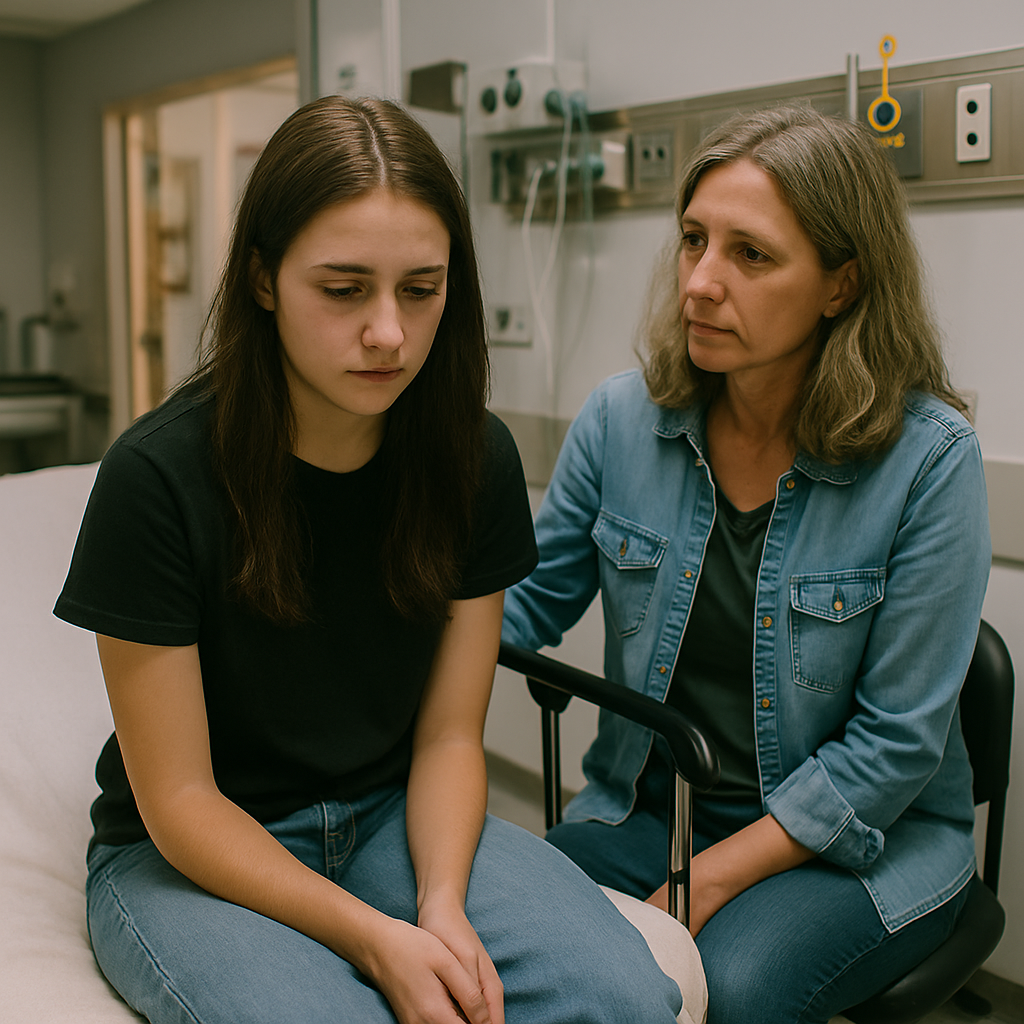

Emergency rooms are designed to handle immediate medical crises—broken bones, asthma attacks, sudden illnesses. But across the United States, they are increasingly becoming holding spaces for children in mental health crisis. A recent study found that thousands of children experiencing suicidal thoughts, severe depression, or other urgent psychiatric needs are “boarding” in emergency rooms for days or even weeks, waiting for an open psychiatric bed.
This growing problem highlights the strain on our mental health system and the urgent need for systemic solutions.
What Is “Boarding” and Why Does It Happen?
Boarding occurs when a child is admitted to the ER for a psychiatric emergency but cannot be transferred to an appropriate mental health facility due to a lack of available beds or specialists. Instead of receiving immediate treatment, the child remains in the ER, often under constant observation but without access to the therapeutic interventions they need.
The reasons for boarding are complex but include:
- A shortage of pediatric psychiatric hospital beds
- Too few child psychiatrists and mental health professionals
- Insurance barriers to specialized care
- Rising rates of youth mental health crises
The Impact on Kids and Families
For children, boarding can feel confusing, frightening, and destabilizing. The environment of an ER—bright lights, constant activity, lack of privacy—can worsen anxiety or agitation. In some cases, children are restrained or placed under constant surveillance, which can feel overwhelming.
Families, meanwhile, endure immense stress. Parents may find themselves sleeping in hospital chairs for days, missing work, and feeling powerless as their child waits for real care. Many report frustration at a system that seems unprepared to support kids when they need it most.
The Strain on Hospitals
Emergency rooms are not built to provide extended psychiatric care. Physicians and nurses often lack specialized training in child psychiatry, and resources are stretched thin. Staff must juggle medical emergencies alongside children in crisis who may need constant supervision. This puts pressure not only on the hospital but also on the broader community, as ER beds are tied up for days.
Short-Term Coping Strategies for Families
While the system struggles to catch up, families facing a mental health emergency can take steps to make the process less overwhelming:
- Prepare for a wait: Bring comfort items—books, headphones, blankets—to ease the stress of extended stays.
- Ask questions: Request updates about placement efforts and what supports are available while waiting.
- Request mental health staff support: Many hospitals have social workers or psychiatric nurses who can check in with your child.
- Seek community resources: Some nonprofits and crisis hotlines can provide interim support while waiting for placement.
What Needs to Change
Experts agree that systemic reform is needed to address pediatric mental health boarding. Possible solutions include:
- Expanding the number of pediatric psychiatric beds
- Increasing funding for community-based crisis services
- Investing in telepsychiatry programs to provide immediate assessments and care
- Training more child psychiatrists, social workers, and counselors
- Reforming insurance systems to better cover mental health treatment
Some states have begun pilot programs to reduce boarding, such as mobile crisis teams and urgent care clinics for mental health. These efforts provide hope, but the scale of the crisis means far more investment is required.
Conclusion: Moving Beyond Emergency Care
No parent wants to see their child in crisis. Yet too many families today are experiencing the heartbreak of waiting in ERs for help that doesn’t come soon enough. While emergency rooms may be the entry point, they cannot be the long-term solution.
Addressing pediatric mental health boarding requires a coordinated effort between hospitals, policymakers, schools, and communities. Children in crisis deserve timely, compassionate care—not a prolonged wait in a system stretched beyond its limits.
Sources:
- OHSU/NIH Study. (2025). Pediatric Mental Health Boarding in Emergency Departments
- American Academy of Pediatrics. (2022). Mental Health Crisis and Emergency Care Gaps
- NAMI. (n.d.). Youth Mental Health in Crisis