
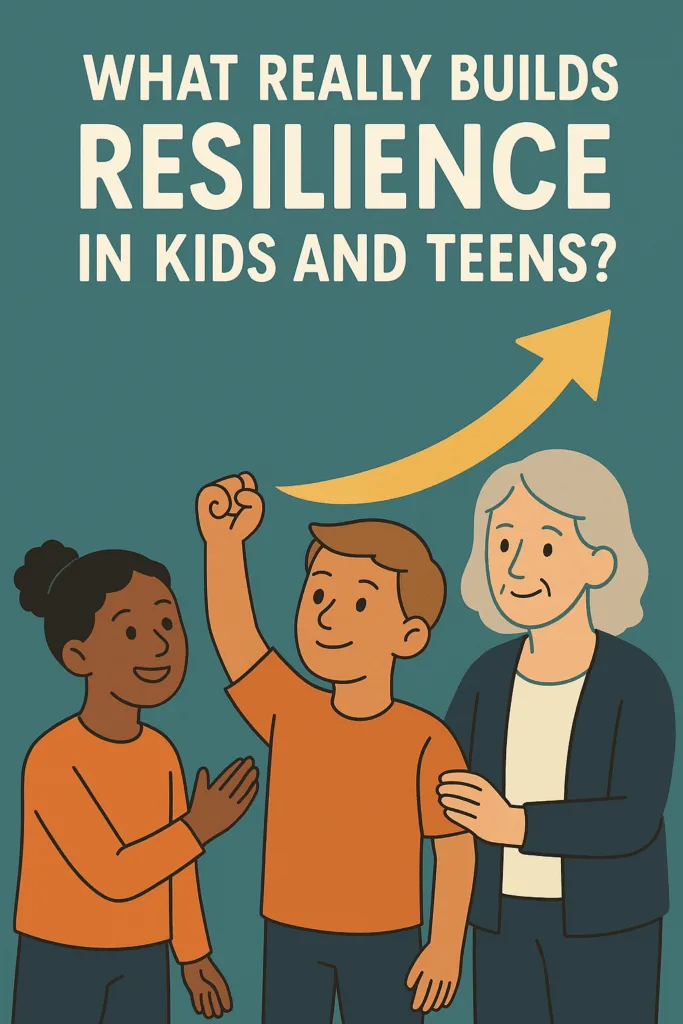

Resilience isn’t something children are born with—it’s something they develop. In a world that often feels unpredictable, helping kids and teens build resilience is one of the most powerful gifts we can offer. Resilience allows young people to cope with challenges, recover from setbacks, and keep moving forward with confidence.
But how exactly is resilience developed? It doesn’t come from avoiding hardship, but from how we support young people through it.
What Is Resilience?
Resilience is the ability to adapt, bounce back, and grow in response to adversity. It’s not about being unaffected by difficulty—it’s about learning how to respond to it in healthy, constructive ways.
Key Ingredients That Build Resilience
- Strong Relationships
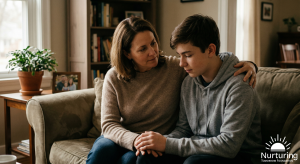
- Supportive connections with family, mentors, teachers, or peers give children a sense of safety and belonging.
- Knowing someone has their back helps kids face challenges without feeling alone.
- Emotional Regulation Skills
- Teaching kids to recognize and manage their emotions helps them respond rather than react during stressful moments.
- Tools like deep breathing, journaling, or mindfulness can help.
- Sense of Purpose and Identity
- When kids know what they care about and what makes them unique, it grounds them during times of stress.
- Encouraging hobbies and self-expression helps strengthen this identity.
- Opportunities to Solve Problems
- Resilience grows when kids are allowed to face manageable challenges and come up with their own solutions.
- Overprotecting children may prevent them from learning these critical skills.
- Positive Role Models
- Seeing adults handle setbacks with grace teaches children that challenges are part of life—and that they can be overcome.
- Hope and Optimism
- A positive outlook helps kids see that setbacks are temporary and that they have the strength to keep going.
What Parents and Caregivers Can Do
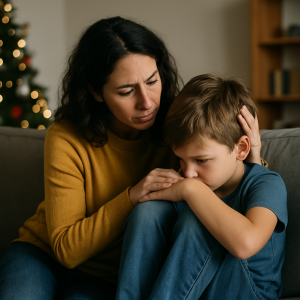
- Be a safe base: Let your child know it’s okay to make mistakes and talk about feelings.
- Encourage effort over outcome: Praise perseverance and growth, not just results.
- Model resilience: Talk openly about your own challenges and how you work through them.
Schools and Communities Play a Role Too
Schools can foster resilience by creating inclusive, supportive environments that emphasize emotional learning and provide opportunities for leadership, creativity, and meaningful connection.
Resilience Is a Lifelong Skill
When kids learn resilience, they’re better equipped to face not just today’s challenges but tomorrow’s as well. It’s a skill that empowers them to bounce back, try again, and grow stronger with every experience.
Sources:
- Harvard University Center on the Developing Child – “Building Core Capabilities for Life”
- American Psychological Association – “Resilience in Children”
- Child Mind Institute – “How to Help Kids Build Resilience”