
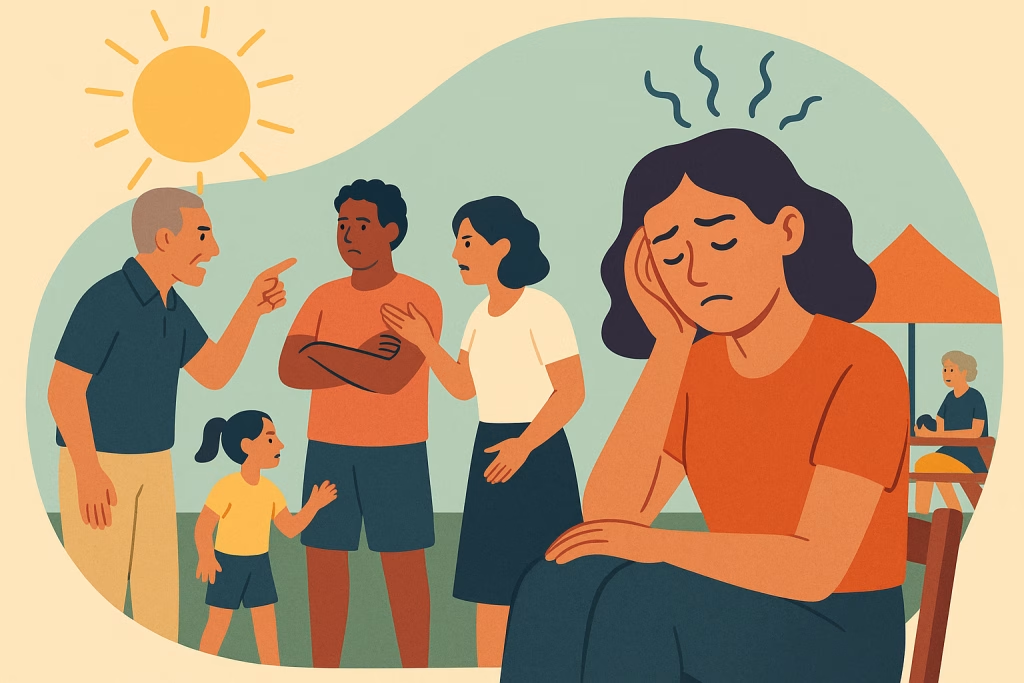
Summer travel often brings families together—but for many, it also brings emotional strain. Whether it’s clashing personalities, unresolved tensions, or uncomfortable conversations, family gatherings can test even the most grounded among us. Protecting your mental health doesn’t mean avoiding loved ones—it means showing up with boundaries, awareness, and a plan for self-care.
Why Family Gatherings Can Be Emotionally Draining
Family dynamics are layered with history, expectations, and emotional triggers. Visiting relatives can stir up:
- Old conflicts or unresolved issues
- Pressure to perform or fit in
- Judgment or criticism about life choices
- Exhaustion from caretaking roles or social fatigue
Understanding these triggers can help you prepare emotionally and create a plan for protecting your well-being.
How to Prepare for a Family Visit
- Set Intentions, Not Just Expectations
- Think about what you want to get out of the visit—connection, rest, closure—and keep that goal in mind.
- Be realistic about what you can and cannot control.
- Clarify Boundaries in Advance
- Decide how much time you’re willing to spend, which topics are off-limits, and what kind of behavior you won’t tolerate.
- Practice saying, “Let’s talk about something else,” or, “I’d rather not discuss that right now.”
- Identify Your Support System
- Check in with a friend before or after gatherings.
- Bring someone you trust to family events, if possible, or plan moments to recharge alone.
During the Visit: Tools to Stay Grounded
- Have an Exit Strategy: Step away to take a walk, read, or spend time with someone calming if you need a break.
- Focus on the Positive: Find common ground or steer conversations toward safe, enjoyable topics.
- Practice Deep Breathing or Grounding Techniques: Especially helpful during tense moments or emotional overwhelm.
After the Visit: Processing and Self-Care
- Reflect on What Went Well: Focus on what you handled with strength and grace.
- Let Go of What You Can’t Control: Some relationships remain complicated. That’s okay.
- Debrief with Someone You Trust: Talking things through can help release stress and gain perspective.
It’s Okay to Choose Distance
Protecting your mental health might mean limiting time with certain relatives—or opting out altogether. This isn’t about avoiding family, but about prioritizing peace and choosing what’s healthiest for you.
Every family has complexities. With preparation, self-awareness, and strong boundaries, you can navigate visits with more confidence and care.
Sources:
- National Alliance on Mental Illness (NAMI) – “Managing Mental Health During the Holidays”
- Psychology Today – “Emotional Survival Tips for Family Gatherings”
- Mental Health America – “Setting Boundaries with Family”