

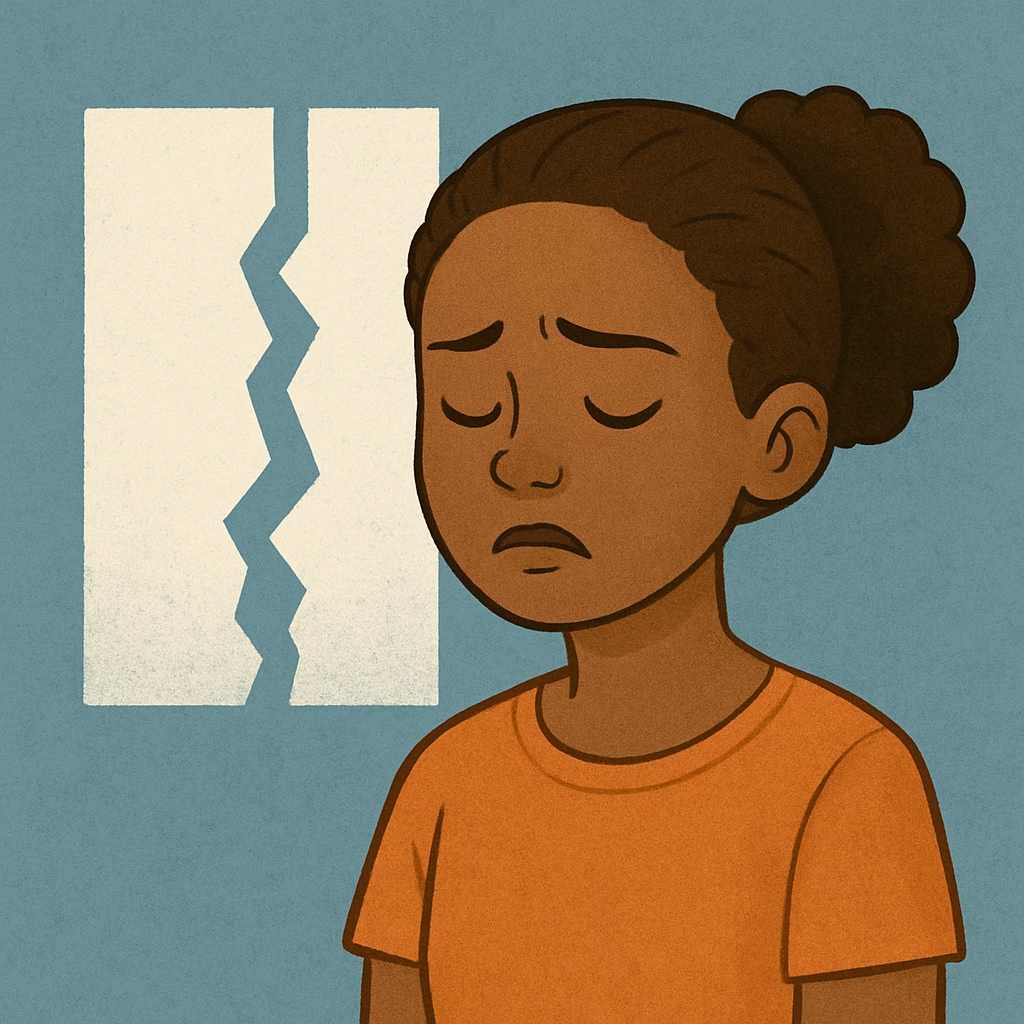

Mental health care should be a right, not a privilege. Yet, for many people of color, getting help means facing systemic barriers, cultural stigma, and unequal treatment. The result? Communities that are more vulnerable to mental health struggles, but less likely to receive support.
This is not just a healthcare issue—it’s a racial justice issue. Addressing these disparities requires collective effort, both inside and outside of the mental health system.
The Disparity by the Numbers
- Black and Hispanic Americans are less likely to receive mental health treatment compared to white Americans, despite experiencing similar or higher levels of psychological distress.
- Asian Americans and Native communities face unique cultural barriers that prevent open dialogue around mental health.
- People of color are more likely to receive lower-quality care and face misdiagnosis or cultural misunderstanding from providers.
Why These Gaps Exist
- Stigma and Silence
- In many communities of color, mental health struggles are seen as a sign of weakness or personal failure, discouraging people from seeking help.
- Lack of Culturally Competent Providers
- Many mental health professionals lack the training to understand and respect cultural differences in communication, healing, or trauma.
- Access and Affordability
- Low-income communities, which are disproportionately non-white, often lack affordable care or nearby providers.
- Historical Mistrust
- A long history of mistreatment and discrimination in healthcare fuels mistrust, making it harder for individuals to feel safe and respected in clinical settings.
What Needs to Change
- Increase Representation in Mental Health Fields
- More providers from diverse backgrounds help clients feel seen and understood.
- Invest in Community-Based Care
- Supporting culturally specific organizations, local clinics, and outreach efforts in underserved areas makes care more accessible.
- Expand Cultural Competency Training
- Every provider should be equipped to deliver trauma-informed, culturally respectful care.
- Break the Silence
- We must continue encouraging open conversations about mental health in communities of color—led by trusted voices from within.
How Everyone Can Help
- Listen and Learn: Understand the unique mental health experiences of different communities.
- Support Equity-Focused Initiatives: Advocate for policies and funding that close gaps in care.
- Challenge Stigma: Normalize mental health conversations in your workplace, family, and social circles.
Mental health equity won’t happen overnight—but it won’t happen at all unless we push for it together.
Sources:
- National Alliance on Mental Illness (NAMI) – “Mental Health Disparities: Diverse Populations”
- American Psychiatric Association – “Mental Health Facts for BIPOC Communities”
- Mental Health America – “The State of Mental Health in America”